
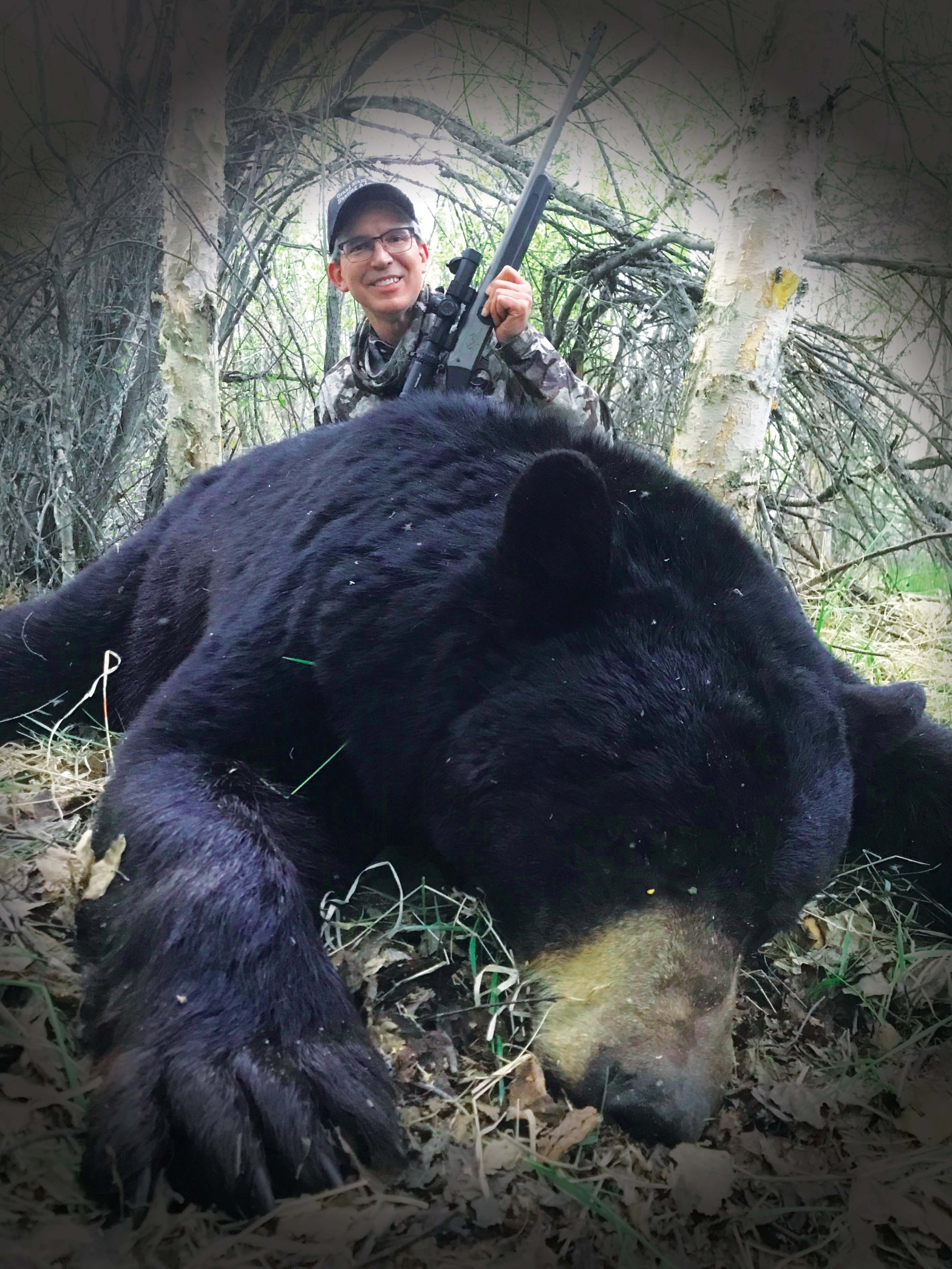
Text and Photos by: Brad Fenson
There is something about black bears that adds an extra sense of excitement and adrenaline to a big game hunt. Perhaps it is the fact that a bear could fight back? Hunting a predator is undoubtedly different from pursuing an herbivore. Black bears are abundant across most of North America and provide exceptional hunting opportunities in the spring and fall.
Black bears were historically a vital animal to frontiersmen and settlers. Bear fat is easily rendered and transformed into clean, white lard, which was a staple for cooking and seasoning cast iron cookware, as well as the bore of Kentucky long rifles. The meat from a black bear is still considered a treat in many jurisdictions and is a power food for those looking for a high-protein diet. Every 100 grams of bear meat provides 20 grams of protein and 8 grams of fat, and is high in iron, phosphorous, thiamine, riboflavin and niacin.
The question is, once a hunter has made up their mind to pursue a big, old black bear, where do they start?
Habitat Knowing where bears live in your hunting region is a matter of understanding the animal’s habitat preferences. In North Carolina, big bears live in the swamps and at night feast on local cornfields. In forested areas, black bears will travel and feed along watercourses, as the extra moisture ensures a good crop of grasses and sedges and are nature travel corridors for ungulates. Low human disturbance is always a huge consideration. Bears are solitary animals, and the older they get, the more they avoid humans. Secluded backcountry in places like Wyoming and Idaho regularly produce bears for adventurous hunters. Keying in on the mast of oak trees or knowing when a crop of berries will ripen are all vital cues. Like all creatures, bears need food, water and shelter. Finding the best of each in close proximity is the best starting point to look for a bruin.
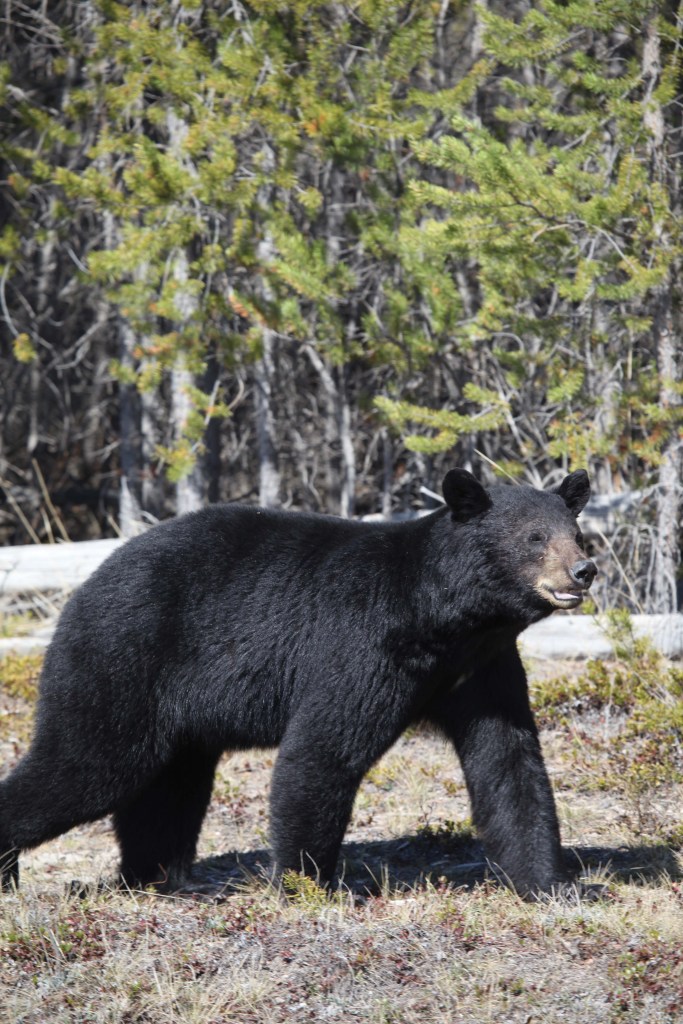
Good Grazing — Know the Local Diet
Bears are omnivorous, meaning they eat plants and animals. However, the primary diet of a black bear is vegetation. Clover, dandelions, high-protein crops, berries, grasses, tree buds and a host of herbs, forbs and other delights form the daily diet of most bears. It is fun to watch them eat and seek out specific flowers, berries or plants to suit their palate on any particular day. When hiking and scouting bear country, look for tracks and scat to indicate where they are feeding and what makes up their diet.
Water
Water is a critical habitat requirement for black bears. In the heat of the summer, big, well-insulated bears spend the hot part of the day in shady, cool, damp and swampy areas. Movement during the shoulder hours of the day is common, and the big ones are well known for being nocturnal. Flowing water often carries a food source, be it fish, carrion, insects or aquatic vegetation. Never underestimate the diverse diet of a bear and where they may find a meal.
Denning Sites
Spring bear hunters always have good luck sighting black bears early in the season near denning sites. South-facing slopes in the mountains or foothills are ideal, as the warm spring sun shines in the front door as bears start to stir. It is not uncommon to see a big old bear out sunning itself on a snowbank, before returning for a little more shuteye until the food is readily available. Steep river valleys provide the advantage of an ideal denning environment and are often the first to have open water, green grass and multiple bears.
Bear Rut
Black bears rut in the spring, and where you fi nd sows and cubs, the big boars will be somewhere nearby. Boars have vast territories and patrol them like a night security guard. Incredible battles can ensue over the ladies or food sources, and the ruckus will carry for a long way. They will breed in May or June in most areas. Using a smartphone app like HuntStand will allow you to record sightings of different bears and sign you fi nd. Using the collection of information to map out the findings will pinpoint prime locations to focus one’s hunting attention.
Bait Where Legal
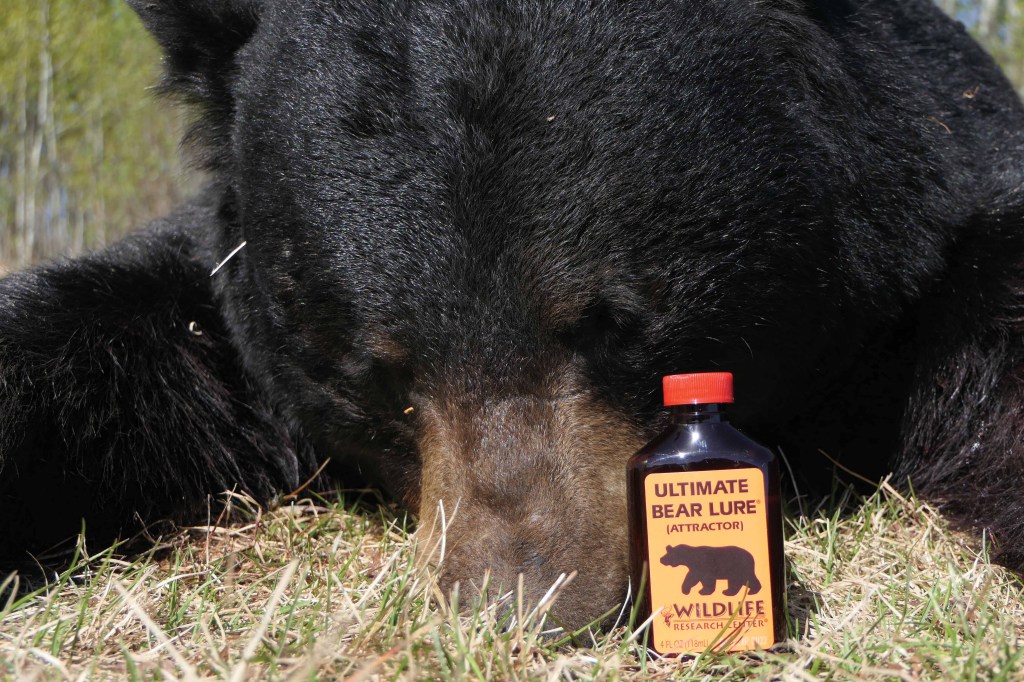
Baiting black bears is a common practice in many jurisdictions. Creating a reliable food source for a bear helps focus the animal’s attention to one specific area. Check local regulations to ensure you use the correct bait, lures and scents to stay on the right side of the law. Use attractants that appeal to a bear’s senses, tummy or curiosity. Wildlife Research Center Ultimate Bear Lure has a sweet, fruity aroma, but there is much more to a bear. Hanging a wick dipped in the lure will undoubtedly draw the attention of any bear coming to the location. Not only will the lure help draw in new or regular visitors, but it can help set the stage for a perfect shot opportunity. Placing the wick and lure in a spot where a perfect broadside shot will be offered is preplanning at its best.
Many of the bears hit the lure before eating. They smell it and often climb the tree to get to the wick itself. They will roll on it and act similar to a cat with catnip. Once a bear experiences the lure, it seems to remember and will be looking for it the next time it visits.
Oats, corn, stale bread, old donuts and fryer grease are standard baits used by bear hunters. Popcorn, sweet treats, dog food and a variety of other secret recipes are used, as well. Set up a feeding site where you have a clear shooting lane from downwind. Try to use a barrel, hollow log, hole in the ground or other vessel to contain the feed, keep it dry, and make the bears work to get their fill. For instance, small holes in the side of a barrel will force a bear to roll the feed container back and forth and eat grain or other feed as it trickles out. Try not to place anything that can be carried away to eat somewhere else. Managing the site to keep bears at the bait, and have them establish a pecking order will help identify the big ones.
Know How to Judge a Bear
Big ears on little bears have fooled many hunters into misjudging the quarry. Black bears can be one of the most challenging animals to judge consistently, but once you’ve seen a real big bruin, the features will be etched into your mind. A big bear will walk with a saunter to shift weight back and forth with each step. The belly will sway low and appear to drag on the ground. The hair is usually short and shiny. A head the size of a pumpkin is a telltale sign, especially if a crease has formed in the forehead. The best way to get good at judging bears is to look at lots of them.
Check the Record Books
The record books are a smart and informative starting point to find prime locations for heavy black bears. A record-book bruin is a product of good genetics and habitat. Not all populations have the genetics for big skulls just like not all areas can grow huge deer antlers. Boone & Crockett, Pope & Young, state and provincial records are all excellent sources of information on where big bears have been harvested in the past. Pay attention to dates and previous kills and location information.
Always Play the Wind
Bears can smell a meal from miles away and have receptors that are difficult for humans to fathom. A bloodhound can smell 1,000 times greater than a human, and a bear can smell up to seven times better than a bloodhound. Humans have approximately 5 million scent receptors, where the bloodhound has 300 million. Use scent control products to their full capabilities for bears, but also make sure to always stay downwind whenever possible. There is no way for humans to understand the olfactory senses of an old bruin, so always use the wind to advantage. A black bear with a sense of smell unfathomably better than a human’s, leaves little doubt we live in an unexplored world of odors.
Killing Shots Only
Many bear encounters are at close range. Whether hunting over bait or stalking through heavy cover, bears are often too close for comfort. The best recommendation ever received was to use a slow and heavy bullet for close-encounter bruins. The .45-70 Gov’t. and .35 Whelen are great examples of cartridges with bullets that have extreme knockdown and killing power. It has been equated to teeing up a golf ball and driving it through the bear. The energy causes severe trauma and almost always leaves outstanding entrance and exit wounds. The Traditions Outfitter G3 single-shot rifle is short, light and maneuverable, which are all quality attributes when bears are close. If using a scope, go with low power and an illuminated reticle. Black crosshairs on black hair can be really challenging to distinguish. A shotgun and slug combo are another great option to maximize knockdown power and minimize tracking. Bears are ideal for bowhunters, and arrows tipped with a wide-cutting broadhead will kill a bear as quickly and efficiently as anything. Whether placing a bullet or an arrow, always wait for the perfect shot. There is nothing worse than having to track a giant black bear through a tangle of thick cover — especially after dark. Unless a bear is attempting to flee, there is usually lots of time to make a killing shot.
Last Advice
Get the shakes after shooting a bear and not before engaging the trigger. It is common for a first-time bear hunter to get bear fever, rather than buck fever, and encounter trembling hands and shaky knees. Take a deep breath and wait to shoot. If you are nervous, make sure to hunt with a buddy that can provide backup and help determine when it’s trigger time. Never be in a rush. Take your time, hold the firearm or bow steady, and squeeze the trigger or release. The extra excitement generated by hunting bears can be addictive. Any avid bruin hunter will tell you there is nothing else that can compare. If you have never hunted black bears, it is time to visit the idea. Extended seasons, excellent table fare, and adventure and excitement like you’ve never experienced before should be reason enough
 Modern Hunter